


Modern enterprise users expect mobile applications to respond instantly. Whether tracking deliveries, approving financial transactions, receiving healthcare updates, or monitoring manufacturing operations, real-time information has become a business necessity.
This demand is driving the adoption of event-driven mobile architecture, where applications react immediately to business events rather than relying on scheduled updates or manual refreshes.
For enterprises building next-generation mobile platforms, event-driven design is becoming the foundation for responsive, scalable, and intelligent mobile experiences.
What Is Event-Driven Mobile Architecture?
In an event-driven architecture, applications respond automatically whenever a significant event occurs.
Examples include:
- Payment confirmations
- Inventory changes
- Customer support requests
- Security alerts
- IoT device updates
- Workflow approvals
Instead of polling servers continuously, mobile applications receive updates as events happen, improving responsiveness while reducing unnecessary network usage.
Why It Matters for Enterprises
Organizations increasingly depend on real-time information to support operational efficiency and customer satisfaction.
Event-driven mobile applications help businesses:
- Accelerate decision-making
- Improve operational visibility
- Increase employee productivity
- Deliver better customer experiences
- Reduce application latency
- Support scalable digital operations
These advantages become increasingly valuable as enterprise systems grow more connected.
AI and Real-Time Intelligence
Artificial intelligence enhances event-driven platforms by analyzing incoming events and identifying which require immediate attention.
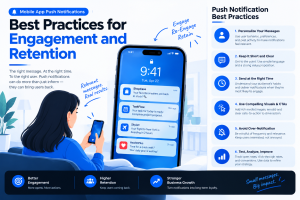
Rather than notifying users about every update, AI can prioritize critical events, summarize ongoing activity, and recommend the next best action based on business context.
This prevents notification fatigue while improving operational awareness.
Building Enterprise-Ready Mobile Platforms
Successful event-driven applications require more than real-time messaging.
Development teams should prioritize:
- Secure APIs
- Cloud-native infrastructure
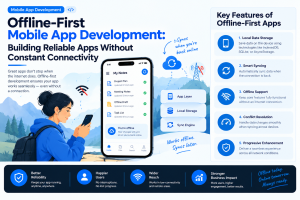
- Offline resilience
- Cross-platform compatibility
- Scalable backend services
- End-to-end monitoring
A reliable architecture ensures consistent performance as enterprise workloads increase.
Industry Perspective
Across enterprise software development, organizations are increasingly integrating mobile engineering, AI, cloud infrastructure, UX design, and scalable product architecture into unified engineering strategies. Companies such as GeekyAnts have publicly demonstrated enterprise mobile expertise that reflects the broader industry movement toward building intelligent, real-time digital experiences capable of supporting long-term business growth.
Conclusion
Real-time responsiveness is becoming a defining characteristic of enterprise mobility.
Organizations that embrace event-driven mobile architecture today will build applications that deliver faster insights, improve operational efficiency, and provide the responsive digital experiences modern businesses expect.



Add Comment